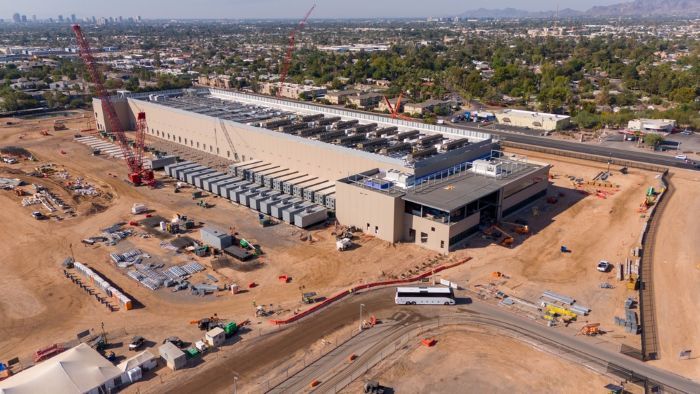
The surging demand for data centers is opening up a new frontier for freight forwarders, who are now looking beyond conventional air freight to provide value-added services. As tech giants and cloud providers race to build infrastructure, the logistics sector is adapting to meet the unique needs of this niche market, which includes everything from specialized handling to customs brokerage.
For importers and exporters, this shift means that customs clearance and customs documentation are becoming more complex yet more critical. Forwarders are stepping up to offer integrated solutions that streamline customs declaration processes, ensuring that sensitive equipment and components move swiftly through ports like Shanghai. The Shanghai port, a key gateway for cross-border trade, is expected to play a pivotal role in facilitating these high-tech shipments.
While the immediate focus is on air freight, the implications extend to ocean and ground transport as well. With peak seasons looming and potential disruptions like the Panama Canal draft limits, forwarders must be agile. By leveraging their expertise in customs and logistics, they can provide end-to-end support that mitigates delays and keeps supply chains resilient.
As the data center boom continues, freight forwarders that invest in specialized capabilities will likely gain a competitive edge. For businesses engaged in import & export, partnering with a forwarder that understands the nuances of this sector can be a game-changer, ensuring that even the most complex shipments arrive on time and compliant with all regulations.