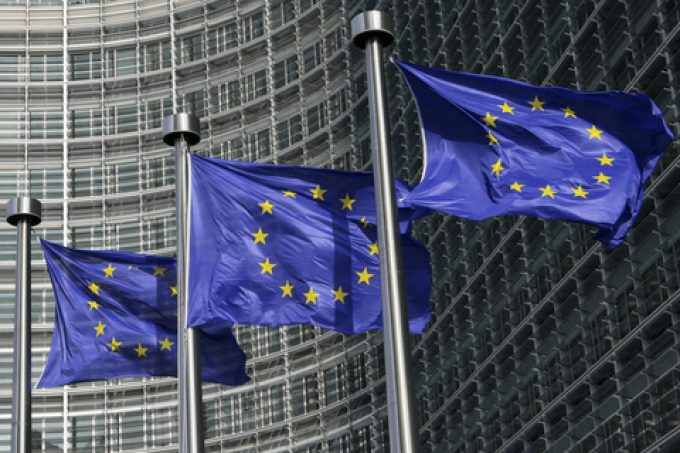
After years of tightening supply-chain oversight, the EU has begun to retreat from some of its most ambitious regulatory proposals. The move follows sustained criticism from European industries that the compliance burden was undermining their global competitiveness. However, the shift should not be mistaken for a wholesale abandonment of oversight — the underlying machinery of due diligence and reporting remains firmly in place.
For logistics providers, the practical implications are nuanced. While certain proposed rules may be softened or delayed, existing obligations tied to customs declaration accuracy, environmental reporting, and supplier transparency continue to evolve. Companies engaged in import and export to and from Europe must still prepare for audits and documentation requests that go well beyond the traditional customs document package.
The retreat is largely symbolic of a broader political recalibration, but it does little to reduce the operational complexity facing shippers. Freight forwarders and customs brokers are still being asked to verify not just what moves, but how it was produced and transported. Even where the EU steps back, individual member states and large corporate customers are likely to enforce similar standards through private contracts.
For China-based suppliers and their partners, the key takeaway is that compliance expectations are not disappearing — they are being reshaped. Whether shipping via the Shanghai port or other hubs, maintaining robust records and transparent supply-chain data remains critical. The EU's regulatory pause may offer breathing room, but it does not signal the end of the compliance machine that has become central to international trade.