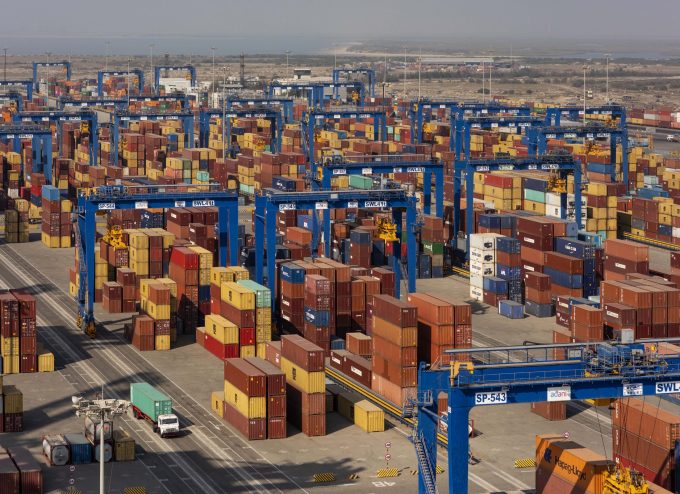
A week-long standoff between Adani Ports and Special Economic Zone (APSEZ) and landside logistics providers at Mundra Port over empty container management shows no signs of resolution, according to local industry sources. The conflict began when APSEZ stopped allowing shipping lines to nominate off-port yards for empty container storage, prompting depot owners and truckers to resist the policy change. As a result, road freight movements have ground to a halt, and empty containers are piling up across Mundra terminals, exacerbating congestion at one of India's busiest ports.
Trade associations representing empty depot owners and container trailer operators have issued a directive for members to suspend all operations, warning of blacklisting for those who continue to work. The move comes after APSEZ introduced a dedicated empty container yard within the port area, charging $53 for 20-foot containers and $95 for 40-foot boxes, with a 30-day free storage period. However, major container lines, many of which have invested in inland logistics infrastructure across Indian ports, have not yet accepted the port's terms, leaving the situation deadlocked.
The disruption is hitting Indian exporters hard, particularly those shipping to the US and Europe, who are already grappling with severe vessel capacity shortages and soaring freight rates. The Federation of Indian Export Organisations expressed serious concerns about the availability and timely positioning of empty containers, which is critical for moving export cargo. Supal Shah, CEO of Sarjak Container Lines, emphasized that exporters need containers at their factories when required and laden boxes must reach the terminal before vessel cut-offs, making the current impasse a critical bottleneck.
Industry insiders warn that the situation is likely to worsen, with no breakthrough in sight. Shipping lines, including ONE, are advising customers to reassess their shipment plans via Mundra, and the port's congestion is adding to global supply chain pressures. For importers and exporters relying on cross-border trade through Indian ports, this dispute underscores the fragility of port logistics and the importance of contingency planning. As the standoff continues, stakeholders are urged to monitor updates and consider alternative routing or scheduling strategies to mitigate disruptions.