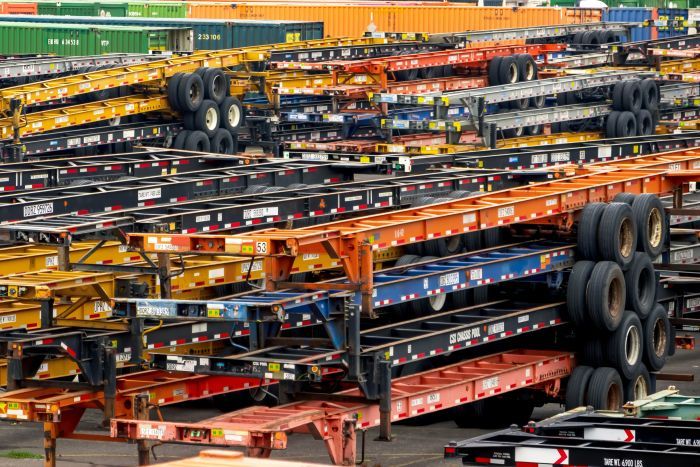
The US International Trade Commission's June ruling to slap a 77% countervailing duty on chassis imported through Mexico has prompted GG Trailers to exit the US market entirely. The company's departure underscores how sudden tariff shifts can disrupt established supply chains, forcing importers to reassess their customs declaration strategies and sourcing options. For businesses engaged in import and export, this case serves as a reminder of the need for agile customs brokerage support to navigate such policy changes.
GG Trailers' exit is expected to reduce chassis availability in the US, potentially tightening capacity for shippers moving containers from major gateways like the Shanghai port and other global hubs. As carriers and freight forwarders adjust, the role of a knowledgeable customs broker becomes critical in managing the documentation and duty implications of alternative sourcing routes. The duty, aimed at countering alleged subsidies, has effectively priced the Mexican supplier out of the US market, leaving buyers to seek other suppliers or absorb higher costs.
The decision also signals a broader trend of increased trade remedies targeting goods transshipped through third countries. Importers relying on Mexico as an intermediary for chassis or other equipment should monitor similar cases and review their customs document processes to avoid unexpected liabilities. China sourcing remains a viable alternative, but traders must weigh tariff exposure and compliance risks when diversifying their supplier base.
As the industry absorbs this development, the importance of robust import and export planning cannot be overstated. Companies should work closely with customs brokers to ensure accurate valuation and classification, particularly when dealing with goods subject to anti-dumping or countervailing duties. The GG Trailers case is a stark example of how a single trade ruling can reshape market dynamics, making proactive customs management an essential part of any international trade strategy.